What Is the Best Way to Sleep With Covid
Feeling weak and tired for a while is normal but your energy will return over time. Avoid caffeine six hours before bedtime.
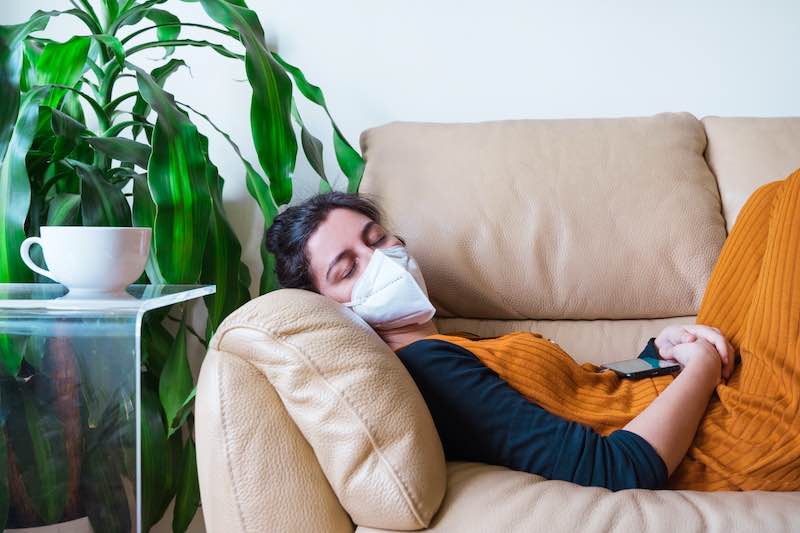
Sleep Guidelines And Help During The Covid 19 Pandemic Sleep Foundation
The most common and usually most effective of these is continuous positive airway pressure therapy.

. One of the things that the nurse said was to sleep on your stomach at all times with Covid. 5-Minute Stress Relief and Calming Flow. Use curtains or blinds to keep the room dim at night.
Position your bed so. Sleep more stress less. Keep track of your symptoms which may include fever cough loss of taste and smell difficulty breathing among.
In light of this turmoil the importance of sleep has often flown under the radar. Ania Tippkemper X Everyday Health. Below he shares tips to improve your sleep during the COVID-19 pandemic and beyond.
Drink lots of water tea. It is also a nice way to relax before trying to sleep. More than a third of people have reported experiencing disturbed sleep during the coronavirus crisis 07 May 2020 0100 Sunlight is important so sit by a window if you cant get outside.
Lie on your stomach with your head on a pillow turned to one side and your arms tucked beneath your chest. Restful sleep is especially critical during this time because it provides a boost to your immune system so your body can fight infections like COVID-19. SLEEPING face-down can improve symptoms of coronavirus experts say.
Avoid excessive alcohol ingestion four hours before bedtime and do not smoke. It should be a slow inhale through your nose for 3 to 4 seconds and a slow exhale through your mouth for 3 to 4 seconds. Fortunately there are things you can do to treat a cough while you recover from COVID-19 at home.
Researchers from Zhongda Hospital in China urged Covid-19 sufferers to re. This will not always be possible but if it is then we recommend it. Sleep tips with COVID-19.
Its easier said than done but in order to take care of your physical body you have to take care of your mental state says. How To Sleep Better If You Have A COVID Infection. Use ten slow deep breaths to fall asleep and return to sleep.
Making sure we consistently get a good nights sleep is one of the best ways we can improve our immunity and defend against viruses and disease. If you cant then sleep on your side. This includes coffee tea and many sodas as well as chocolate.
Also when sitting in a recliner sit up straight. If this sounds like you make sure to get at least seven hours a nightit will help get rid of the abdominal fat. If youre short on ideas you could try something like knitting reading an actual book or playing music.
Overall there have been multiple studies suggesting that THC the psychoactive component of cannabis can be effective in the treatment of nausea pain appetite loss insomnia anxiety and inflammation all of which can be side effects of chemotherapy. Id sleep as much as possible and allow. According to the Somnologie study artificial light especially in.
This involves wearing a mask over the mouth. Lucy McBride an internist based in Washington DC. Sleep and rest as much as possible.
Reserve your bedroom for sleep. Use medication to mitigate your symptoms. If you have a contagious disease like COVID-19 it is best to sleep alone.
Take a warm bath. A warm bath may ease muscle soreness. Get the water warm enough.
Stay-at-home orders have our daily routines in flux and uncertainty and fear are constant companions in this global pandemic. Dont lay on your back no matter what because it smashes your lungs and that will allow fluid to set in. You can also bring both arms out to the sides for shoulder comfort.
As part of our COVID-19 QA series Rachel Manber Professor of Psychiatry and Behavioral Sciences and Director of the Stanford Sleep Health and Insomnia Program SHIP discusses how these conditions can interfere with healthy sleep or. What are 10 ways to take care of yourself during your recovery. The ripple effects of COVID-19 have reached virtually all aspects of society.
Enhance your sleep environment. Lockdowns school closures mask wearing working from home and ongoing social distancing have spurred profound economic social and cultural disruptions. Fix a bedtime and a waking time.
Create a Regular Sleep-Wake Schedule For many changes in commuting socializing and other typical inclusions of their pre-pandemic agendas have caused their sleep routines to adjustso much so that the difference in bedtime and wake time between weekdays and weekends has been. Before you go to bed take a hot shower said Dr. You could try reading by a soft light listening to calming music or an audio book taking a bath gently stretching or meditating.
Go to sleep a little earlier. Wash sheets frequently and vacuum the mattress to rid it of dust and dander that can cause allergies and impair your sleep. Prop up your head and neck.
There is no way to know for certain if cannabis will help with your symptoms until you try. According to the CDC a third of Americans are not getting enough sleep. Get in a hot shower.
Turn off screens at least one hour before bed and spend the time unwinding and preparing your body and mind for sleep. Consider the following tips. Lie on your stomach with your head on a pillow turned to one side.
Since getting good sleep is so vital to speed up recovery from COVID-19 or any infection there are things you can do to promote quality sleep. But open the curtains or head outside in the morning to reset your internal clock. Drerup has some suggestions about how we can approach these aspects with the pandemic in mind to help relieve stress before bedtime.
Take a break from the news. This helps to prevent your sleeping partner from getting sick and allows both people to get a more restful nights sleep. Do not lay back in the recliner.
Place an additional pillow underneath your hips for pelvis support and choose your preferred arm option. It can help to elevate yourself when sleeping by slipping a. Any calming activity before bed can help you sleep better and benefits your whole.
Now is not the time to skimp on sleep. If you are in the habit of taking siestas do not exceed 45 minutes of daytime sleep. Make sure your bedroom environment is conducive to sleep.
Rest and pacing rather than graded exercise seem the most effective treatments to prescribe widely to long Covid patients I devised a daily schedule. 9 tips to combat COVID-related insomnia There are a number of ways we can improve our sleep experience cutting down on screen time before bed a better diet more exercise but Dr.
Which Sleep Position Is Best For You Cleveland Clinic
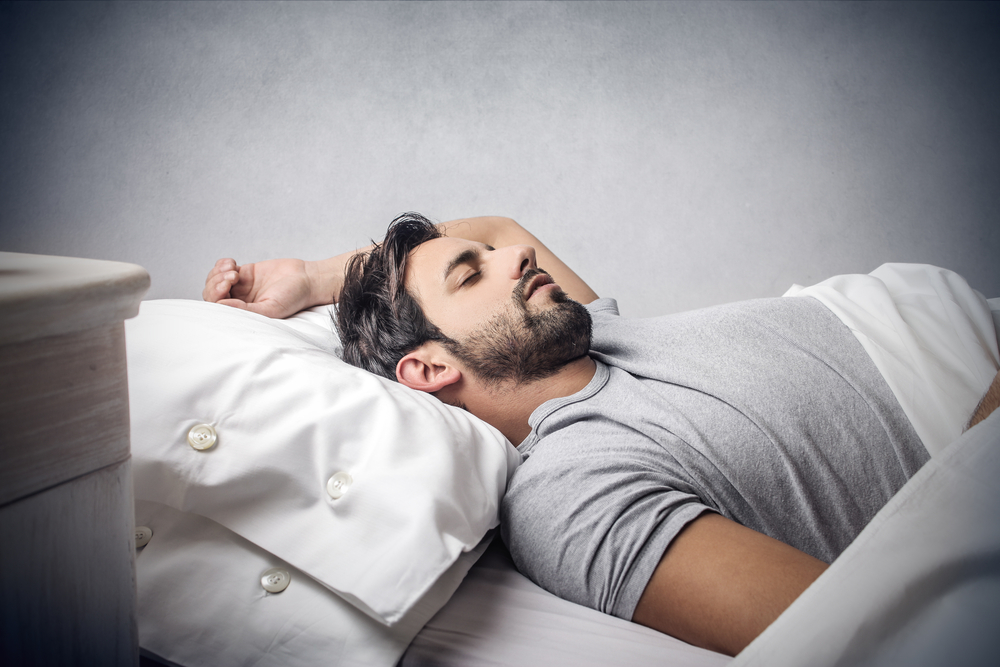
The Best And Worst Sleep Positions For Back Pain Keck Medicine Of Usc

How To Sleep With A Cough 12 Tips For Nighttime Cough Relief
Comments
Post a Comment